
Does Your San Diego Backyard Need a Permit for a Fire Pit or Outdoor Kitchen?
Short answer:
it depends on exactly what you're building, and where. A portable propane fire pit sitting on your patio is a different story than a built-in gas fire feature with a permanent line run to it. Same goes for outdoor kitchens: a freestanding grill cart is not the same project, permit wise, as a masonry island with gas, electrical, and a sink plumbed in.
Here's how to think about it before you start planning, plus an important note on jurisdiction that a lot of general "San Diego" guides skip over.
A quick but important note on jurisdiction
"San Diego" gets used loosely to describe the whole region, but permit rules are set by whichever city or county actually has authority over your property. The City of San Diego has its own building and fire department. Chula Vista, El Cajon, and Lemon Grove are each their own incorporated cities with their own permit processes. Bonita, Spring Valley, Mt. Helix, and Lincoln Acres are unincorporated communities, which means San Diego County's building and fire authority governs those permits, not the City's.
The specific rules below (the ones we can point to directly) come from the City of San Diego. If your property is in one of the other cities or in unincorporated county territory, the general categories still apply (gas lines need permits, permanent structures need permits) but the exact thresholds and forms can differ. When in doubt, a quick call to your local building department settles it, and we're happy to help you figure out who to call.
Fire pits and fireplaces: what actually needs a permit
Per the City of San Diego's own permit guidance, here's the general breakdown:
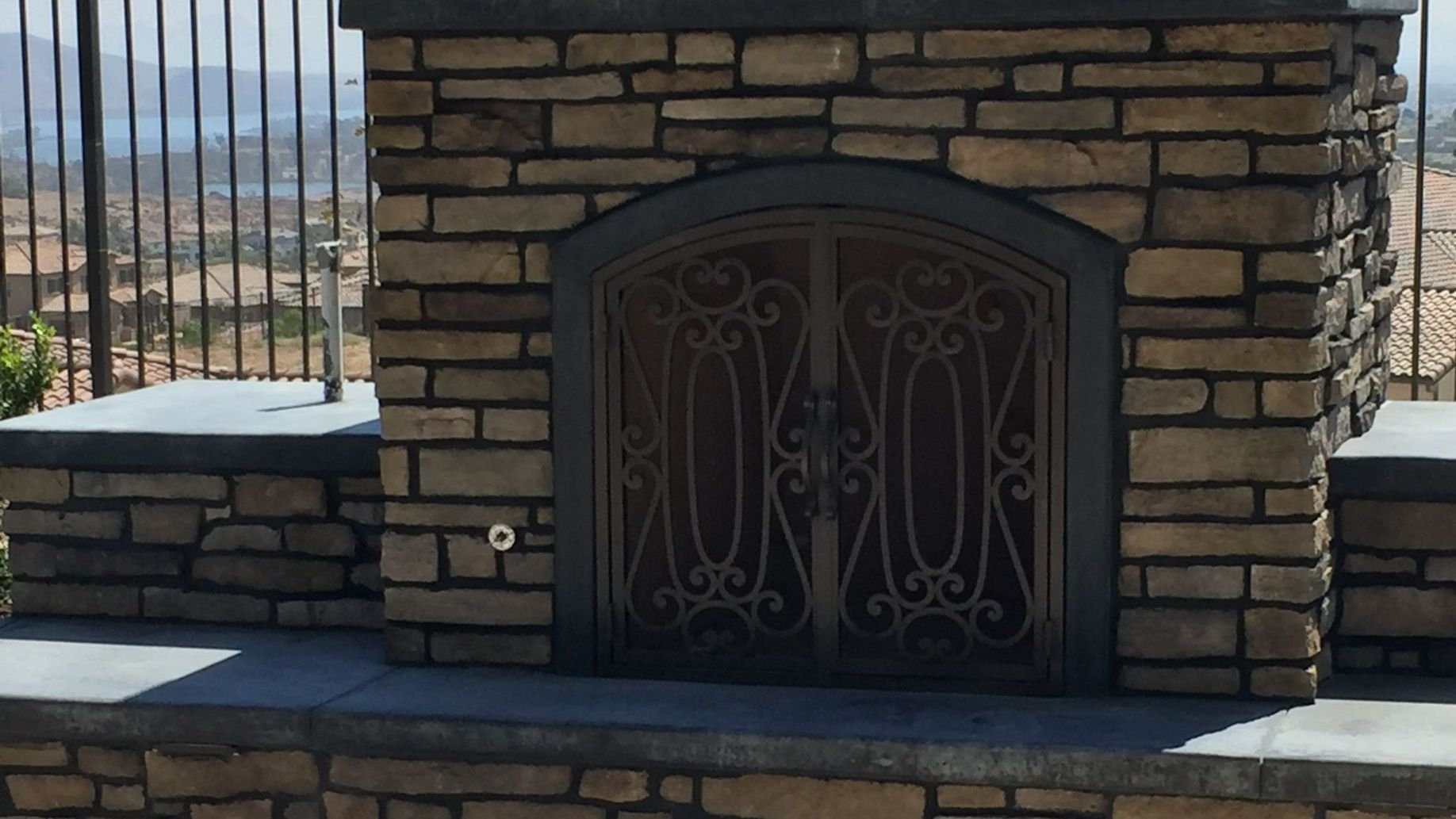
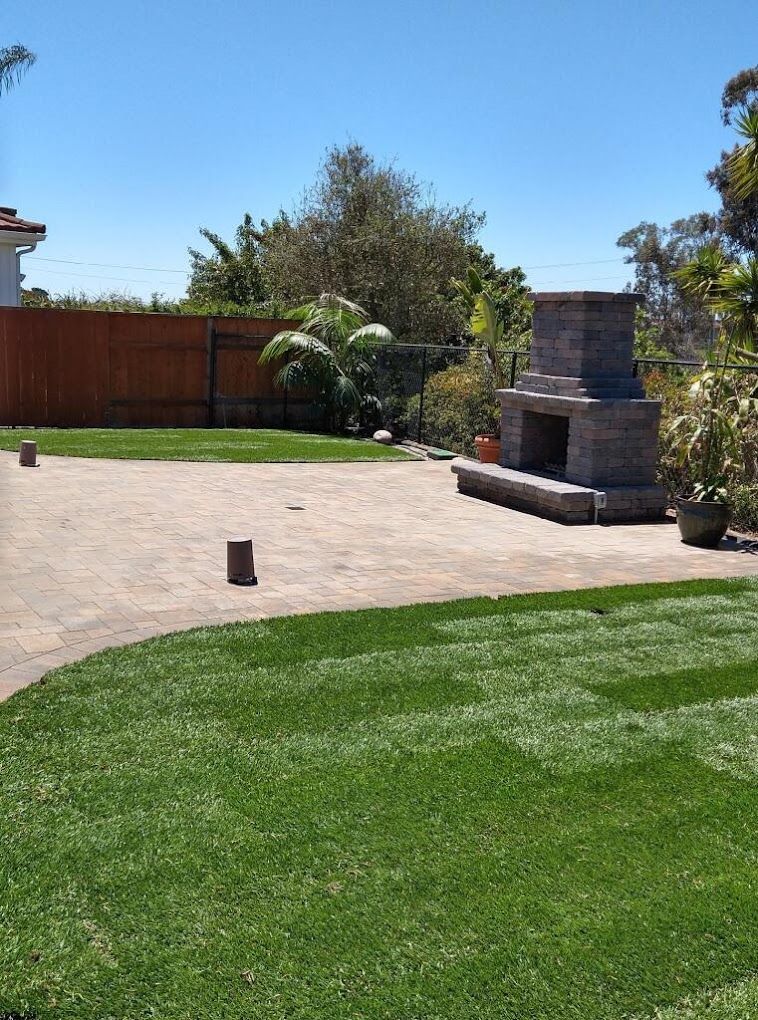
- Masonry or wood-burning prefab fireplaces: These need a Building or Combination permit. If it's built into the ground with mortar, block, or a prefabricated wood-burning unit, plan on a permit.
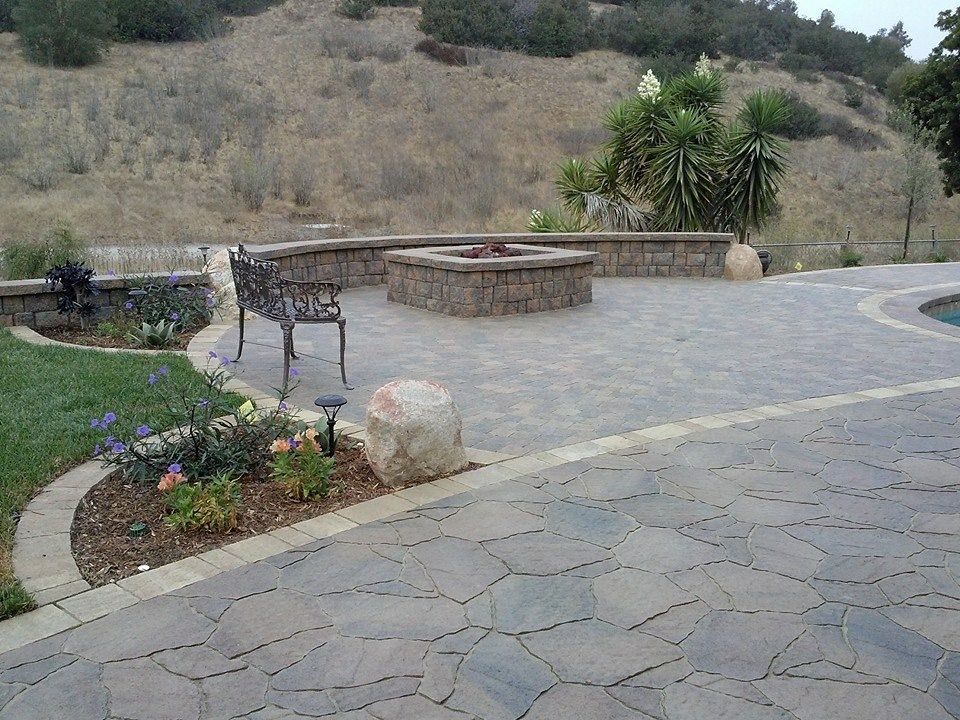
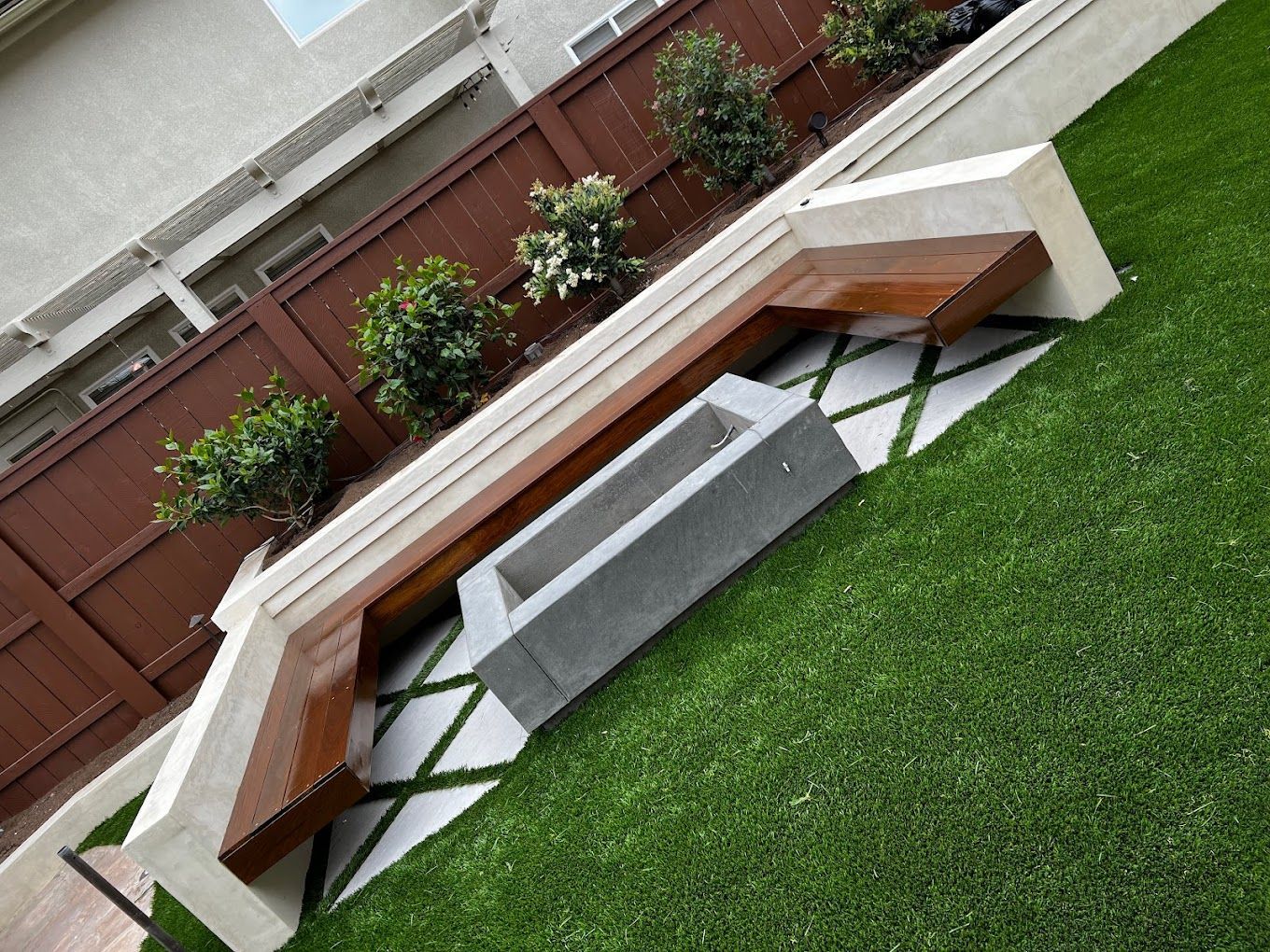
- Gas-burning decorative fire pits and fireplaces: These often don't need a full Building permit, but they typically still need a Plumbing permit for the gas line, and an Electrical permit if you're adding ignition or lighting. The permit isn't really about the fire feature itself, it's about making sure the gas line is sized, pressure tested, and installed safely before it gets buried or built over.
- Portable, freestanding fire features: A propane fire pit or fire table sitting on your existing patio, not connected to a gas line, generally doesn't require a permit.
- Open recreational fires (a fire that isn't inside a manufactured fire pit, fireplace, or barbecue): the City of San Diego sets specific size and clearance rules for these. A recreational fire can be up to 3 feet in diameter and 2 feet in height, and needs to be at least 25 feet from any structure (15 feet if it's in an approved container). It also needs to be constantly attended, with a way to put it out immediately (a hose, water, or an extinguisher) close by.
The practical takeaway: if you're installing anything permanent, especially anything with a gas line, plan for a permit conversation with your contractor from the start rather than finding out partway through the project.
Outdoor kitchens: what actually needs a permit
Outdoor kitchen permitting follows a similar logic to fire pits, just with more systems involved. Based on how this is consistently described across contractor and permitting resources, here's the general pattern:
- A new gas line to run a built-in grill or side burner: Needs a Plumbing or Gas permit. This is true almost everywhere, since gas work is a safety inspection issue, not a paperwork formality.
- New electrical circuits, outlets, or hardwired lighting: Needs an Electrical permit. This covers things like a dedicated circuit for an outdoor refrigerator or GFCI protected outlets for small appliances.
- A sink with a water supply and drain connection: Needs a Plumbing permit. Drain water from an outdoor sink has to tie into your home's sewer line, it can't legally drain into the yard or a storm drain.
- A powered exhaust hood: Needs a Mechanical permit.
- A fixed masonry or block island, or anything integrated with a roof or pergola structure: Generally needs a Building permit, on top of whatever trade permits apply to the utilities running into it.
- A freestanding prefab cart on an existing patio, using a portable propane tank, no new gas line, no plumbing, plugged into an existing outdoor outlet: This is the scenario most likely to avoid triggering permits altogether, since there's no new utility work and no permanent structure.
The line that trips people up most often is the difference between a portable setup and anything with a hard gas line or built in structure. The moment gas, electrical, or plumbing gets run to a fixed structure, you're in permit territory.
HOA approval is a separate step
Permits and HOA approval are two different processes, and you can pass one without the other. Some San Diego area HOA communities require architectural review for any visible exterior change, including a fire pit or outdoor kitchen, even in cases where the city or county wouldn't otherwise require a permit. If your property is in an HOA, it's worth checking with your HOA board or management company before finalizing a design, in parallel with checking on city or county permits, not after.
Why this is worth getting right before you build
Skipping a required permit isn't just a theoretical risk. Unpermitted work can come up during a home sale, cause problems with insurance claims if something goes wrong with a gas line or electrical connection, and in some cases lead to a stop work order or a requirement to remove completed work. None of that is worth the time saved by skipping the paperwork.
The good news is that a licensed contractor handling your project should be managing this for you, pulling the correct permits, scheduling inspections, and making sure the finished project is something you won't have to explain or undo later.
Not sure what your project needs?
If you're planning a fire pit or outdoor kitchen anywhere in San Diego County, from the City of San Diego out to Chula Vista, El Cajon, Bonita, or Spring Valley, we'll walk through what your specific project actually requires before you commit to a design, so there are no surprises once construction starts.
You might also like
Expert Tips for Landscape in San Diego

Get a free quote for your landscape project in San Diego
Fill the form below and get a consultation and estimate for your next landscape project!