
Why Your Backyard Always Feels Hot in San Diego (and How to Fix It)
You step outside expecting to enjoy your backyard… and within a few minutes, you’re already looking for shade.
The patio feels like it’s radiating heat. The ground is too hot to walk on. Even in the late afternoon, the space just feels uncomfortable.
If that sounds familiar, you’re not alone.
A lot of San Diego backyards trap and hold heat without homeowners realizing why. And the frustrating part? It’s usually not the weather, it’s the way the yard is designed.
The good news is this is fixable. And once you understand what’s causing the heat, small changes can make a big difference.
Why Some Backyards Feel Hotter Than Others
Not every yard in San Diego feels the same, even in the same neighborhood.
That’s because heat isn’t just about temperature. It’s about how your space absorbs, reflects, and holds heat throughout the day.
Here are the most common reasons your backyard feels hotter than it should.
Too Much Hardscape (Concrete, Pavers, Stone)
Hardscape is one of the biggest heat contributors.
Materials like:
- Concrete
- Pavers
- Stone
…absorb heat all day long, then slowly release it, even after the sun starts going down.
We see this a lot with large patios or full concrete backyards. They look clean, but by mid-day, they feel like a heat source.
Real-life example:
A homeowner had a full concrete backyard with no shade. By 3 PM, it was almost unusable. After breaking up the space with turf and planting areas, the temperature difference was noticeable right away.
Not Enough Shade or Plant Coverage
Shade makes a massive difference, and a lot of yards simply don’t have enough of it.
No trees, no pergola, no overhead structure… just direct sun hitting every surface.
Plants don’t just add beauty, they actually help cool the space by:
- Blocking direct sunlight
- Releasing moisture into the air
- Reducing surface temperatures
Artificial Turf Without Cooling Elements
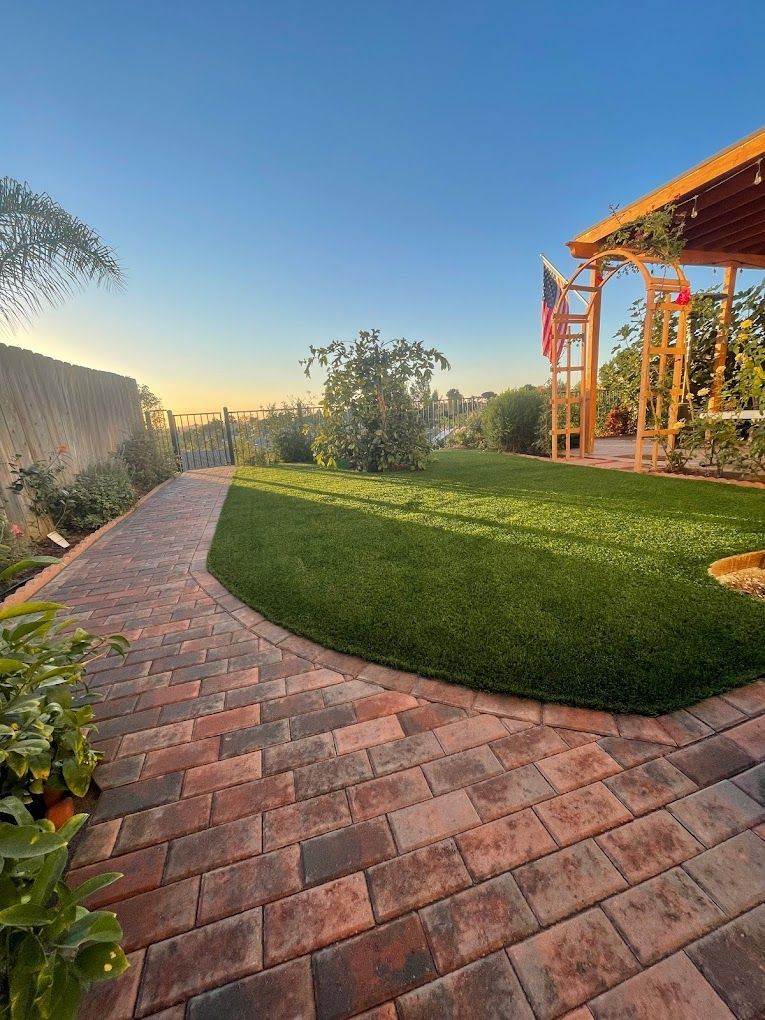
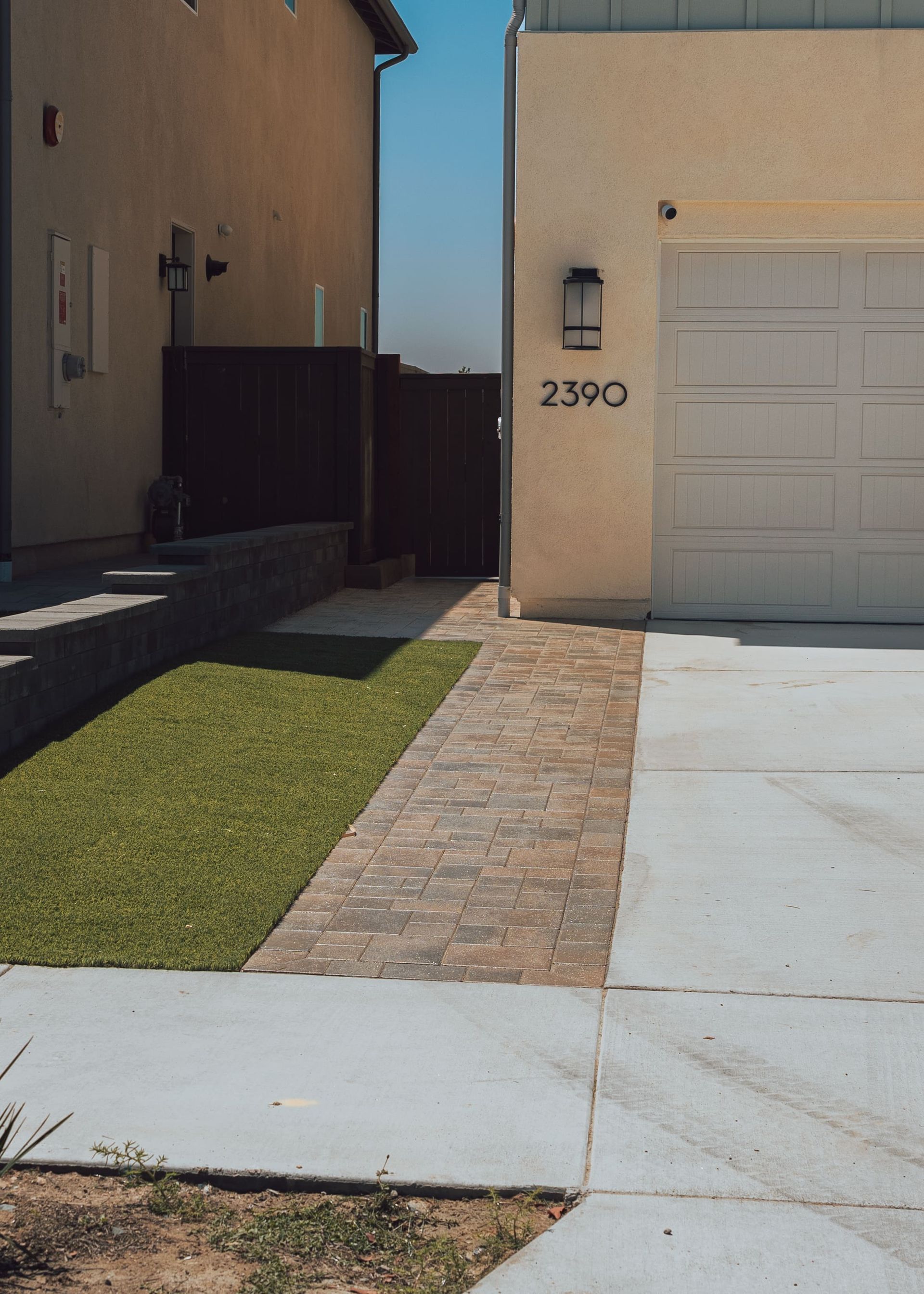
Artificial turf is great for low maintenance, but it can get hot if it’s installed without balance.
Turf absorbs heat, especially in full sun. Without surrounding shade or material contrast, it can become uncomfortable during peak hours.
This doesn’t mean turf is a bad option, it just needs to be paired with:
- Shade structures
- Planting areas
- Light-colored hardscape
We often recommend breaking up large turf areas so the space doesn’t trap heat.
Poor Airflow and Layout
Some backyards feel hotter simply because air doesn’t move well through the space.
This happens when:
- Walls or fences block airflow
- The layout is too enclosed
- There’s no open flow between areas
Good landscape design considers airflow, not just layout. Creating small openings or spacing elements differently can help keep the yard cooler.
Dark Materials That Absorb Heat
Color matters more than most people think.
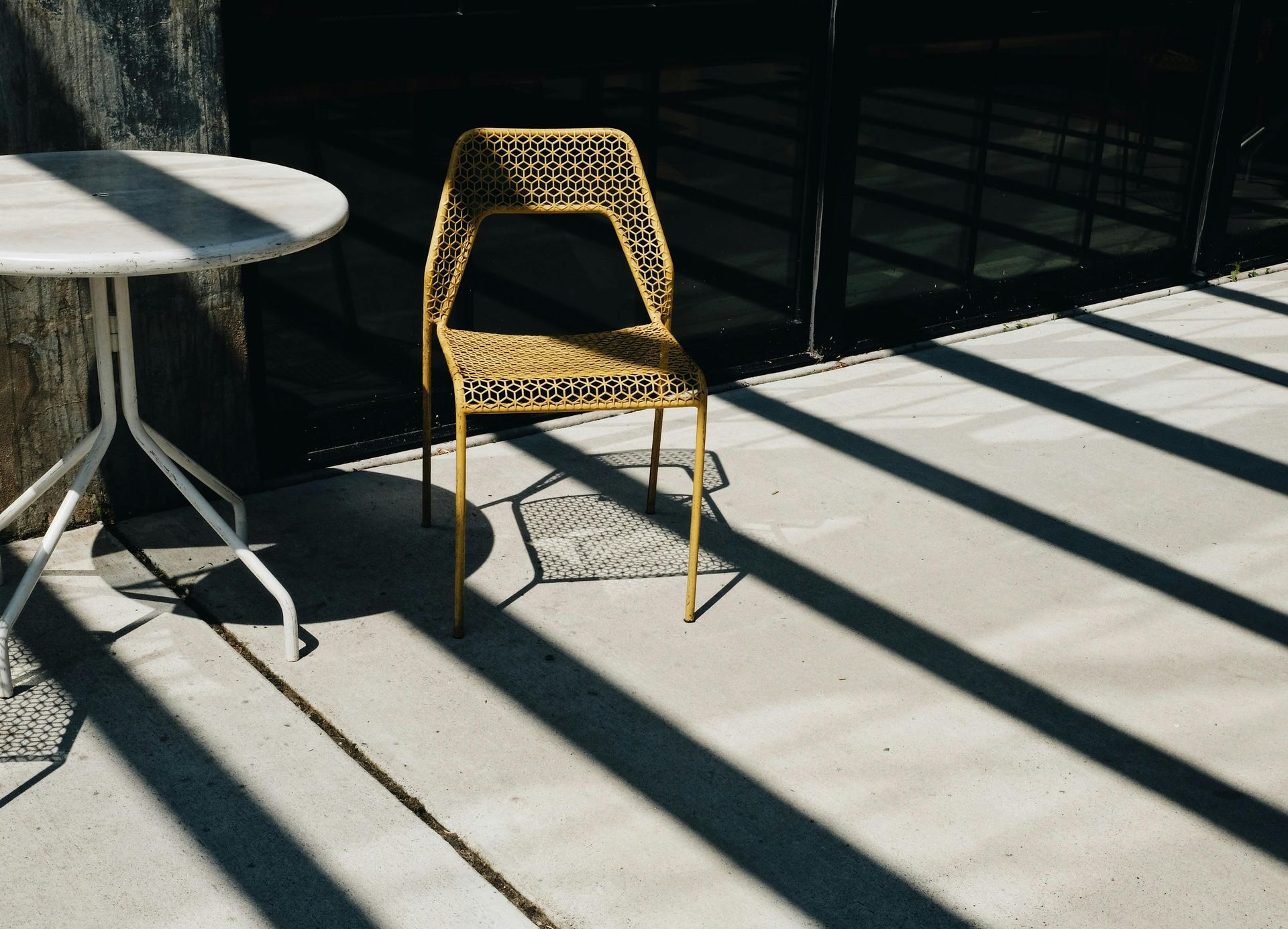
Dark pavers, dark concrete, and dark stone absorb significantly more heat than lighter materials.
We’ve seen two patios side by side (same size, same layout), but the darker one was noticeably hotter just because of the color.
Switching to lighter tones can make a surprising difference.
How to Fix a Hot Backyard (Without Starting Over)
You don’t need to tear out your entire yard to make it more comfortable.
Most of the time, a few smart upgrades can dramatically improve how your space feels.
Add Shade Where It Actually Matters
Start with the areas you use the most.
That could be:
- Your patio seating area
- Outdoor dining space
- Turf play area
Options that work well in San Diego:
- Pergolas
- Shade sails
- Patio covers
- Strategically placed trees
Even partial shade can lower surface temperatures and make the space usable again.
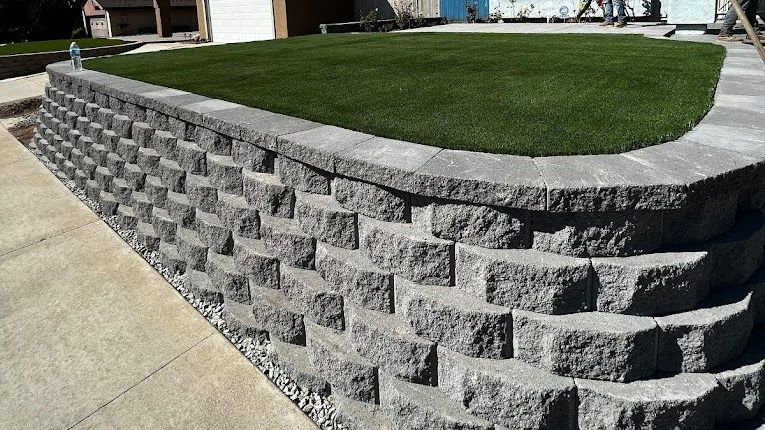
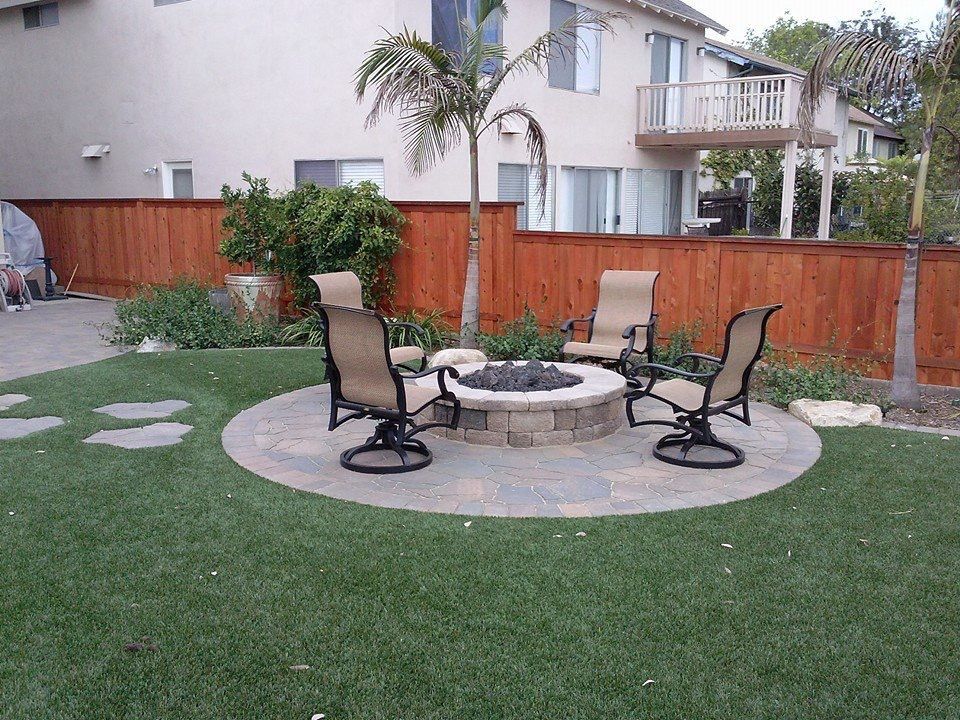
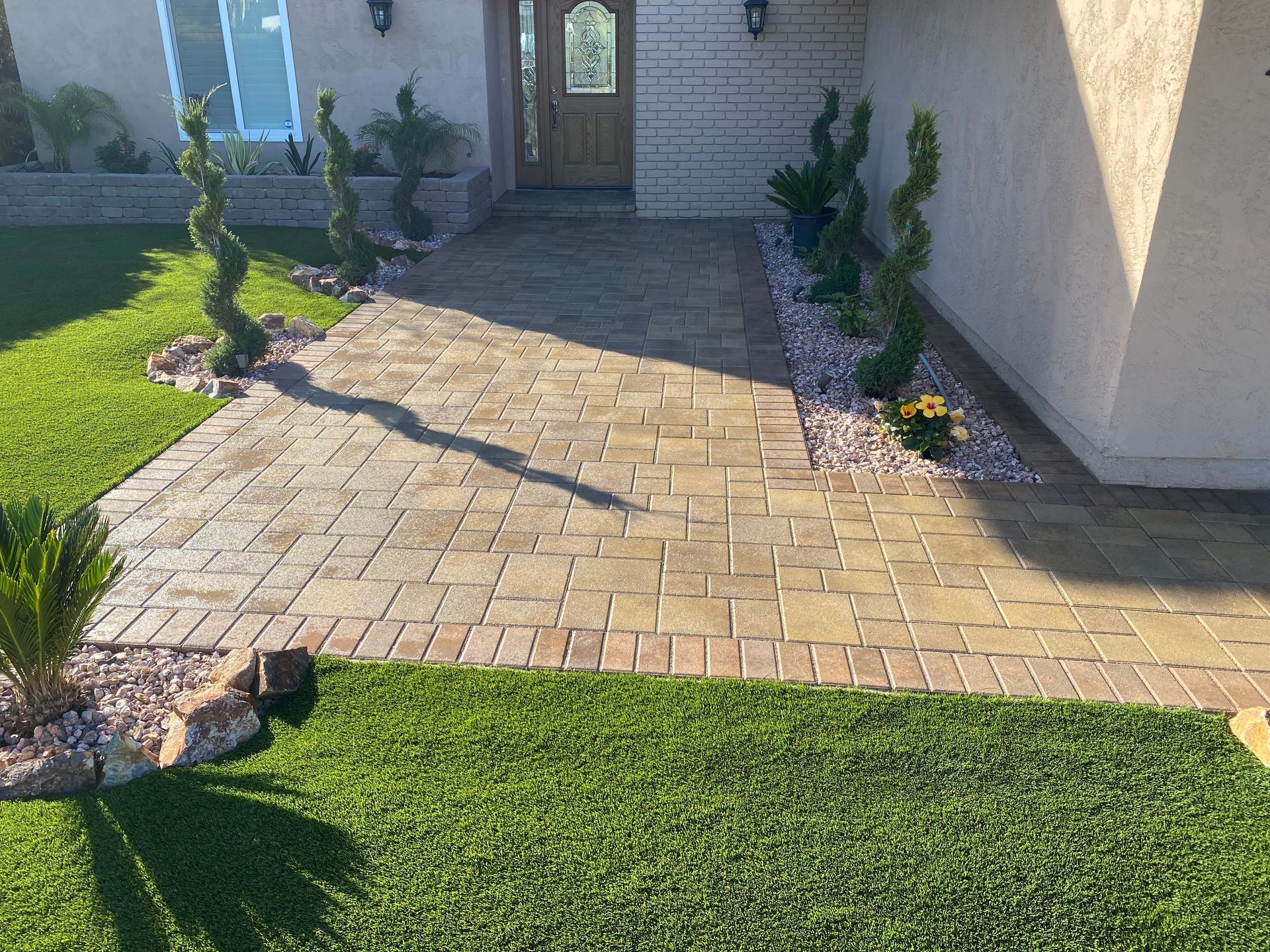
Break Up Large Hardscape Areas
If your yard is mostly concrete or pavers, consider softening it.
Adding:
- Planting beds
- Artificial turf sections
- Gravel or decorative rock areas
…helps reduce how much heat is absorbed and released.
This also makes the yard feel more balanced visually.
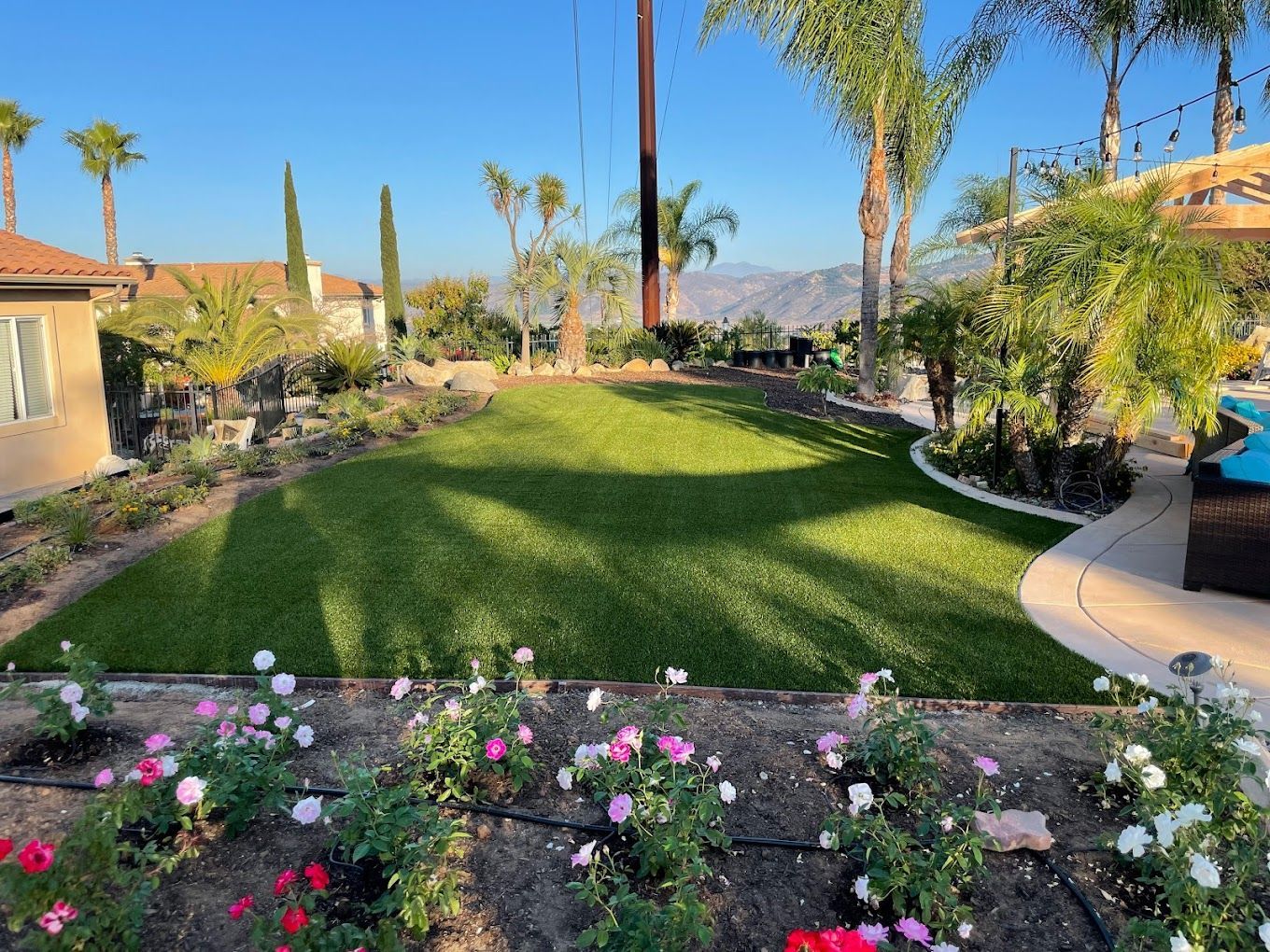
Use Plants to Naturally Cool the Space
Plants aren’t just decoration, they’re one of the most effective ways to cool your yard.
In San Diego, great options include:
- Shade trees
- Layered shrubs
- Drought-tolerant plants with coverage
Placing plants near seating areas or along sun-heavy zones can create noticeable temperature differences.
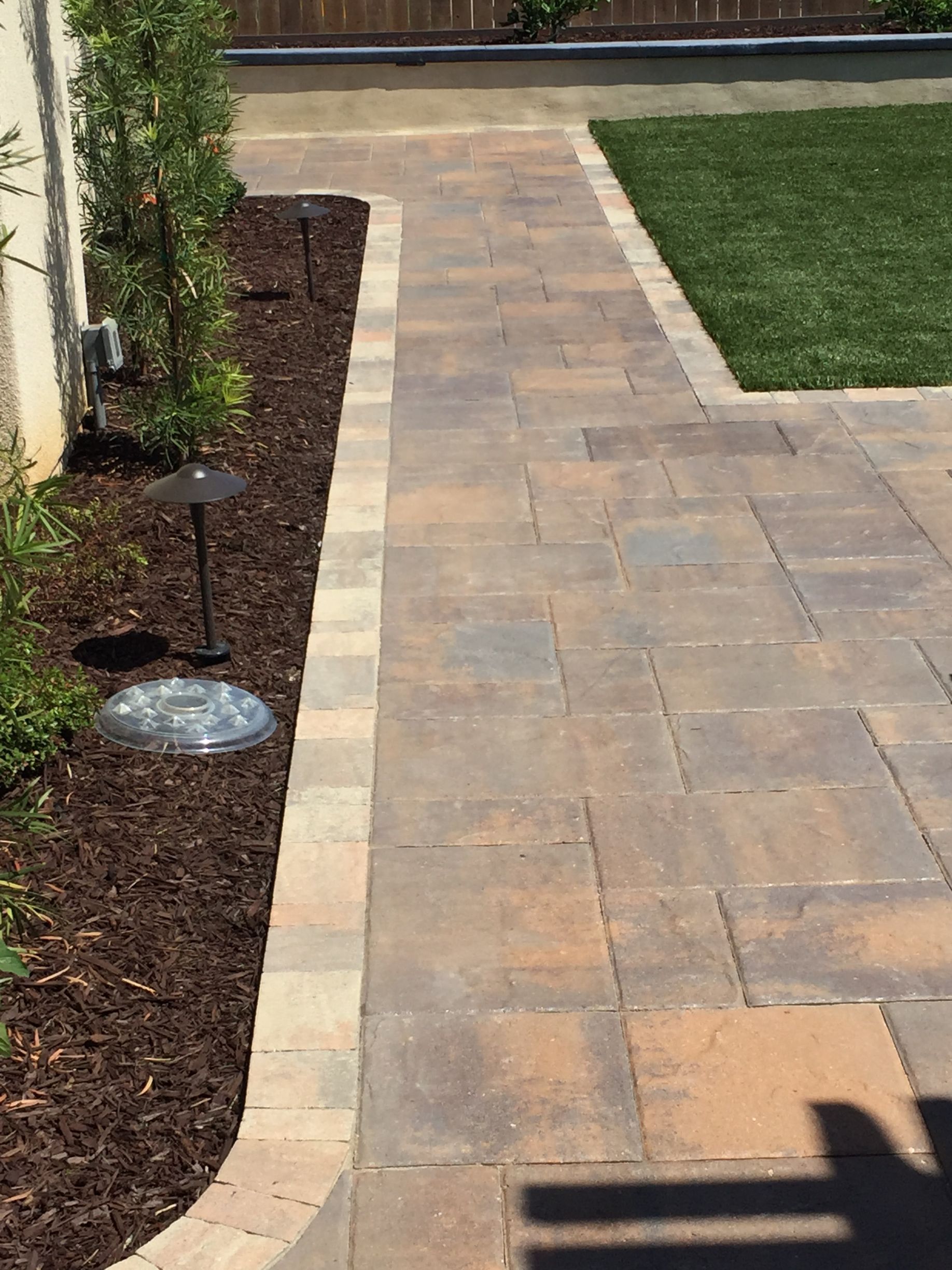
Choose Lighter, Cooler Materials
If you’re updating your hardscape, go with materials that reflect heat instead of absorbing it.
- Lighter-colored pavers
- Textured surfaces (less heat retention)
- Natural stone in softer tones
Even small updates, like replacing sections or adding lighter accents, can help.
Improve Irrigation and Moisture Balance
Dry environments feel hotter.
Adding proper irrigation or moisture-retaining elements (like mulch or planting beds) can help cool the surrounding air slightly.
It’s not about overwatering, it’s about balance.
Open Up the Space for Better Airflow
If your yard feels closed in, small layout changes can help:
- Widen pathways
- Reduce bulky barriers
- Create more open transitions between areas
Air movement plays a bigger role in comfort than most people realize.
A Cooler Yard Changes Everything
When a backyard is too hot, people stop using it.
But when it’s designed to stay comfortable, even during warmer days, it becomes part of your daily life again.
We’ve seen homeowners go from avoiding their backyard… to spending evenings outside almost every day after making a few of these changes.
Ready to Cool Down Your Backyard?
If your yard feels too hot to enjoy, it’s usually not just the weather, it’s the design.
At Earth View Landscape, we help homeowners create comfortable, low-maintenance outdoor spaces in San Diego that work with the climate, not against it.
Whether you need:
- Shade solutions
- Turf and planting balance
- Patio upgrades
- A full backyard redesign
We can help turn your space into something you actually want to use.
You might also like
Expert Tips for Landscape in San Diego
Get a free quote for your landscape project in San Diego
Fill the form below and get a consultation and estimate for your next landscape project!